

STORY READER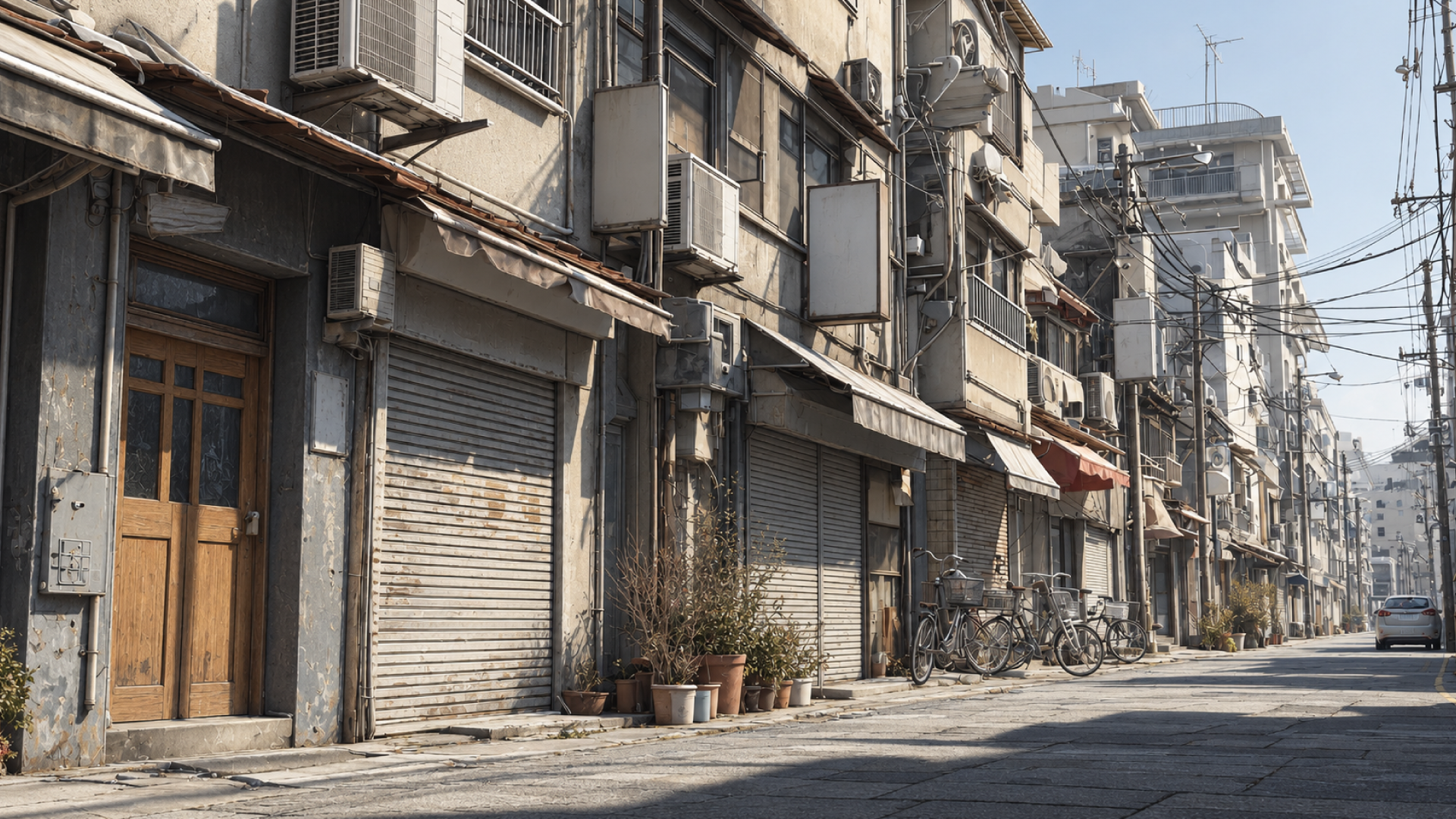
A Quiet Noon
Morning in Kyoto arrived before any alarm.
There was no sound.
Only the sense that a layer of air had quietly shifted.
When Gabi opened his eyes, the room was still dim.
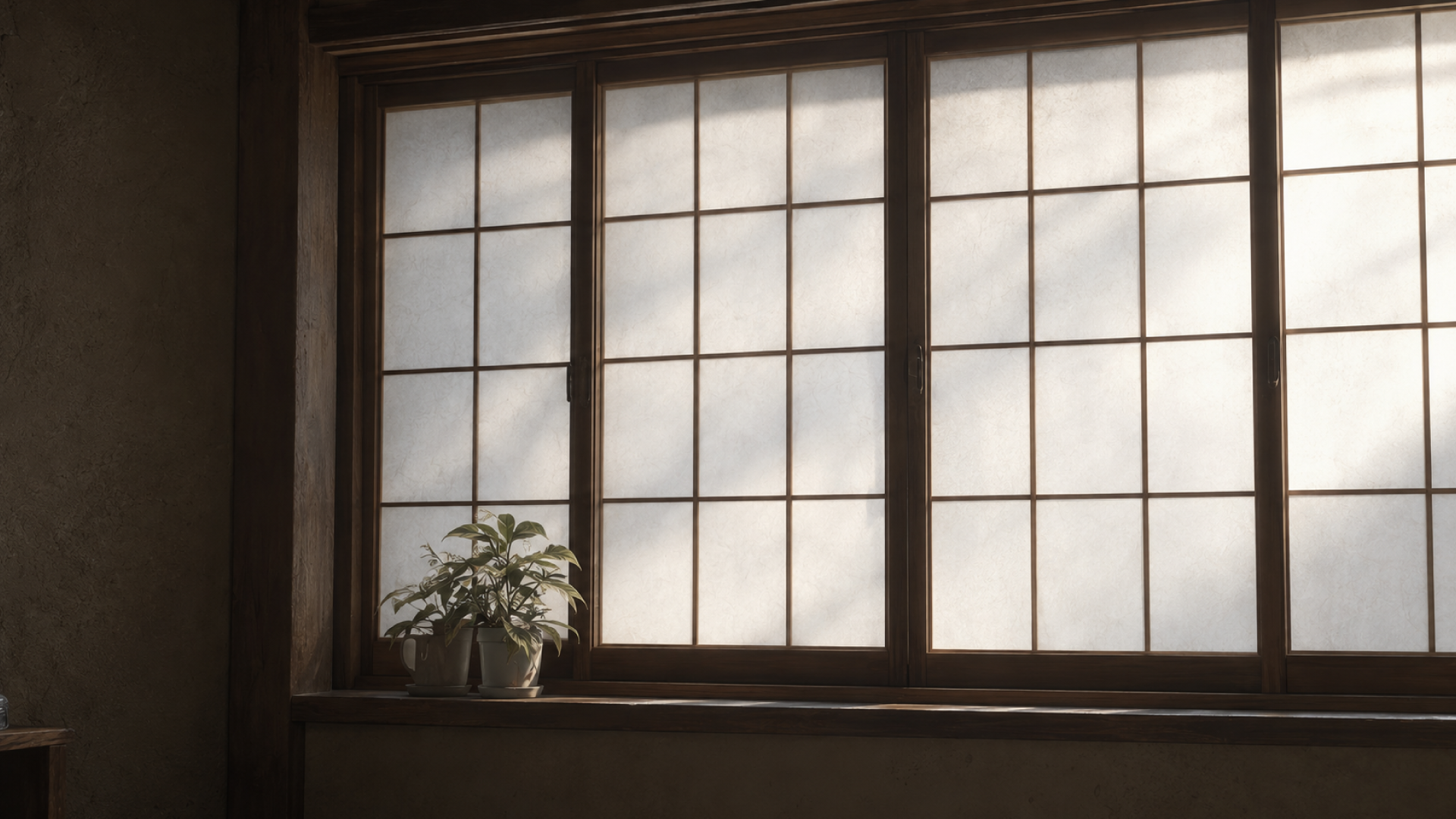
The light through the shoji screen was neither clearly morning nor noon.
It was cold, but not sharp.
A kind of light that did not push forward.
Somewhere, something was moving.
A car, a person, a bird.
He did not try to identify it.
The sound did not assert itself.
What remained was the space between sounds.
He stayed in the futon for a while.
Not because he was sleepy.
He simply did not feel the need to hurry.
In the Philippines, morning meant beginning.
Heat and light arrived at the same time,
pushing the body forward.
There was no room to stop.
Here, morning did not rush anyone.
Time came first,
and people were placed inside it.
The phrase waiting for spring lingered somewhere in him from the night before.
Waiting was not a sensation he had ever known.
Perhaps he had believed he was staying still,
when in fact he had only been carried along.
Time moved forward.
He did not.
Only the surroundings changed.
He almost followed that thought,
then stopped.
A slight heaviness remained in his body.
Not unpleasant.
Just the sense that yesterday had not fully ended yet.
He sat up and placed his feet on the tatami.
The coolness traveled quietly through the soles of his feet.
He went to the sink and washed his face.
When he left the agency in Tokyo,
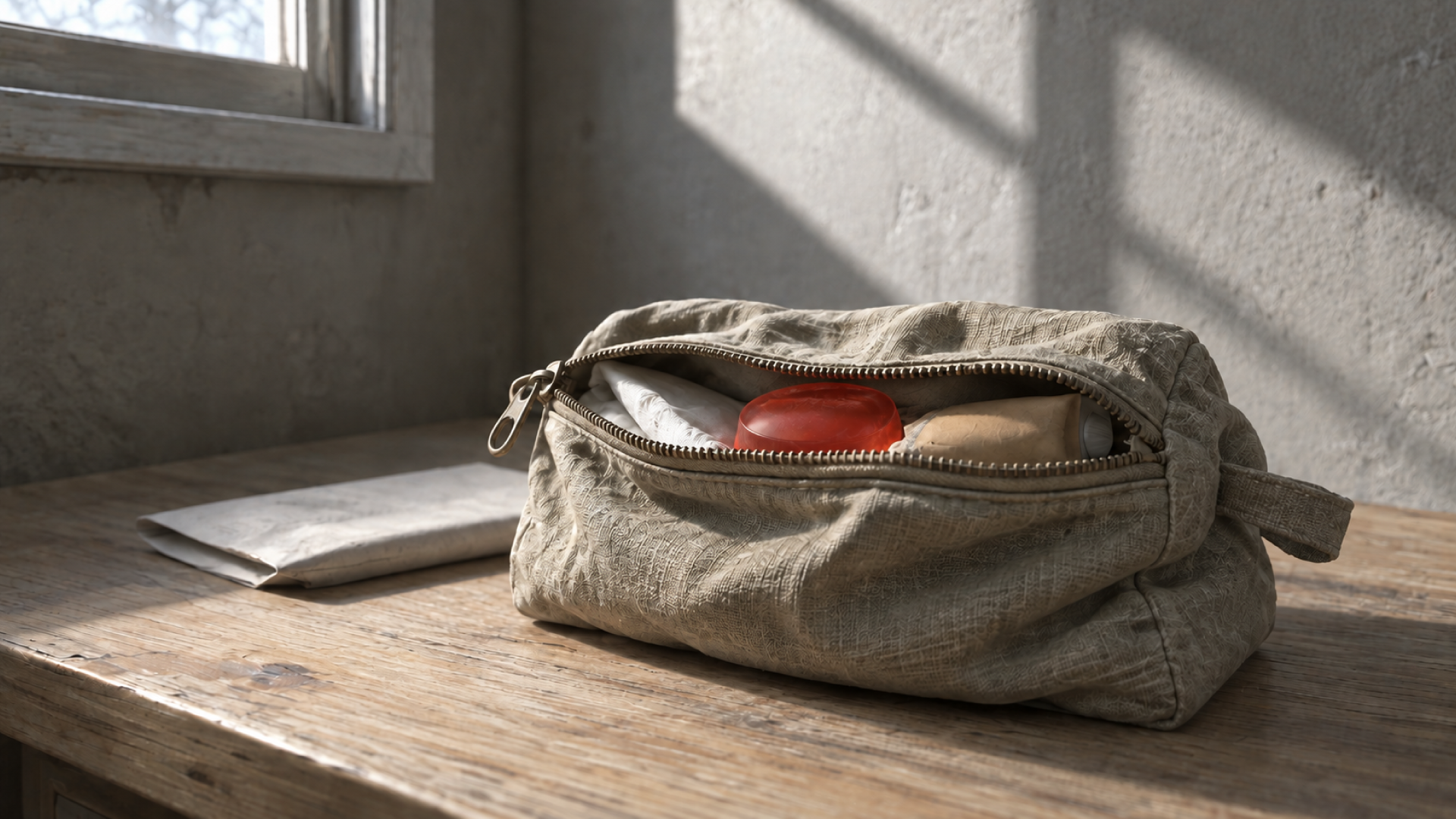
the boss’s wife had handed him a small bag.
“Toiletries,” she said.
He accepted it without thinking.
Inside was a bar of soap.
Back in the Philippines, he would not have noticed it.
Washing his face had always been nothing more than a way to wake up.
He worked the soap into foam and spread it over his face.
He thought it would only remove dirt.
Of course, the dirt came off.
But that was not all.
It felt less like sweat or dust from a single day,
and more like the traces left behind by living—
quietly flowing away with the water.

When the foam disappeared, he rinsed his hands.
He looked at the mirror.
He did not think anything had changed.
Only that the sensation under his fingers felt slightly different.
He dried his face and left the room.
He did not think about it any further.
Late in the morning, his phone rang.
It was a Filipina hostess from the club in Kyoto.
Her name was Lorena.
“Gabi, are you free today?”
She continued without waiting.
“Let’s get lunch. Just get out for a bit.”
Her voice was bright, without pauses.
There was no reason to refuse,
so he asked where to meet her and stepped outside.
Lorena was already a little ahead of him.
She turned back and waved lightly.
“This way. Follow me.”
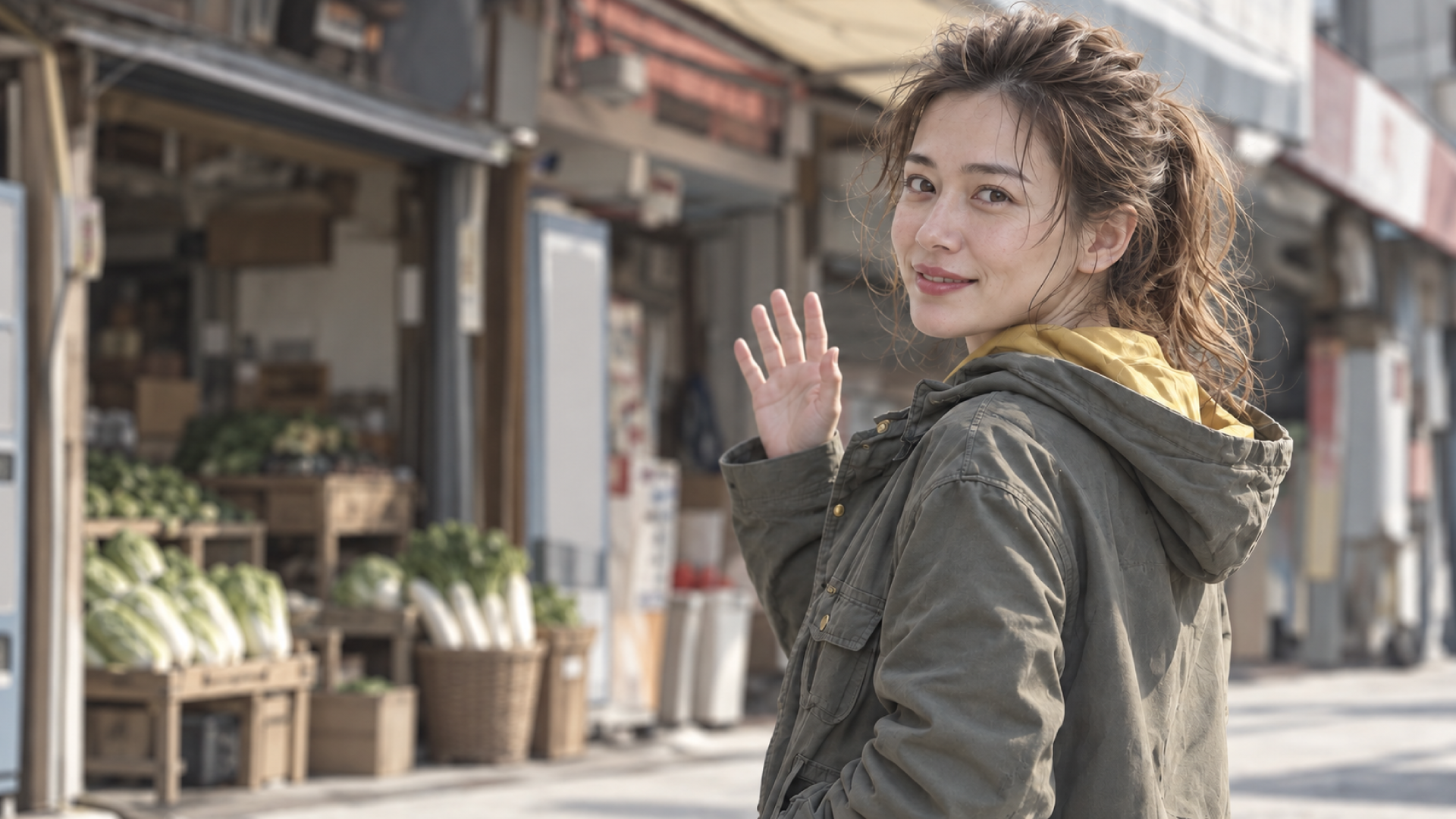
She was five or six years older than Gabi
and had been in Japan much longer.
She said they were from the same hometown,
but did not go into details.
Still, from the way she walked and stopped,
it was clear she was used to living here.
As they walked, Lorena talked constantly—
about work, about the cold, about the streets of Kyoto.
Gabi responded only with small nods.
After they passed through the shopping arcade,
the air subtly changed.
The presence of people remained, but the sounds felt farther away.
Old houses lined the street,
and the shadows of shopfronts fell across the narrow road.
A little farther on, Lorena stopped.
There was no flashy sign.
A short noren hung at the entrance,
leaving only the expression of the old building itself.
The wood was calm in color, well cared for,
with no attempt to make it look newly restored.
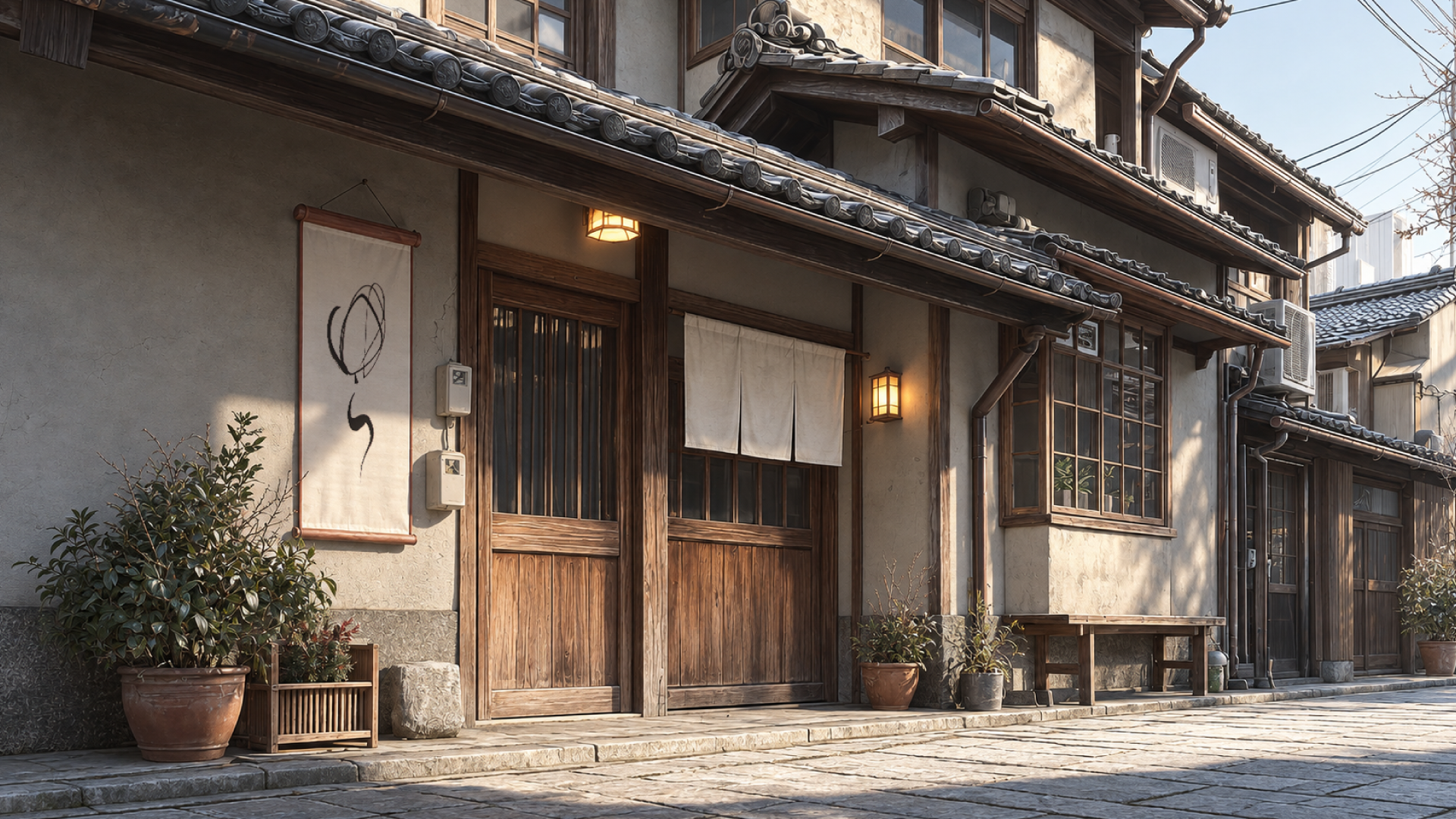
Beside the entrance, a single hanging scroll was displayed.
The ink lines seemed to sway slowly.
Whether it was writing or form, he could not tell at once.
Only the lines themselves were there.
Somewhere inside him,
it felt as if he had seen them before.
But nothing more came back.
Gabi let his gaze drift toward it—just slightly.
He did not try to think about its meaning.
He followed Lorena’s back
and passed beneath the noren.
“Here. Soba today,”
Lorena said as if it were obvious.
“Because… it’s Japan.”
There was no explanation.
They went inside.
The shop was quiet.
Though it was lunchtime,
the customers’ voices stayed low.
“It’s teuchi,”
Lorena said, sounding faintly proud.
Gabi did not understand what that meant
and did not ask.
Water was set down.
They ordered.
Soon, the soba arrived.
The portion looked small.
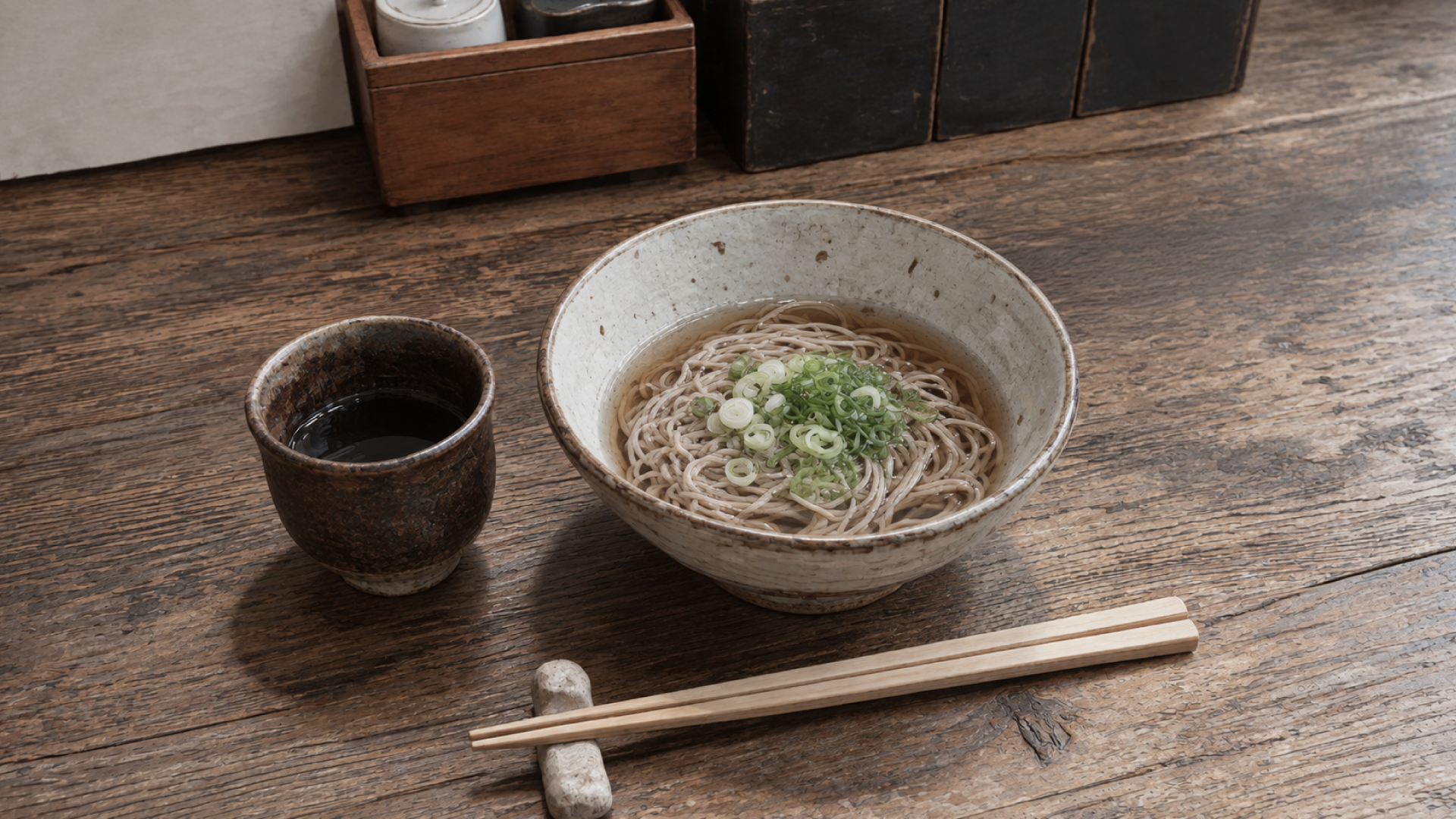
Lorena picked up her chopsticks without hesitation.
“Simple, right. This is enough.”
Gabi picked up his chopsticks.
He did not think about the taste.
It did not feel strong or weak.
After finishing, he was not thirsty.
One sip of water was enough.
Lorena kept talking—
about winter in Kyoto, about rent, about people from home.
Gabi listened in silence.
At some point,
the corner of his mouth lifted slightly.
Such a small movement that he did not notice it himself.
Lorena glanced at him briefly,
then continued speaking without comment.
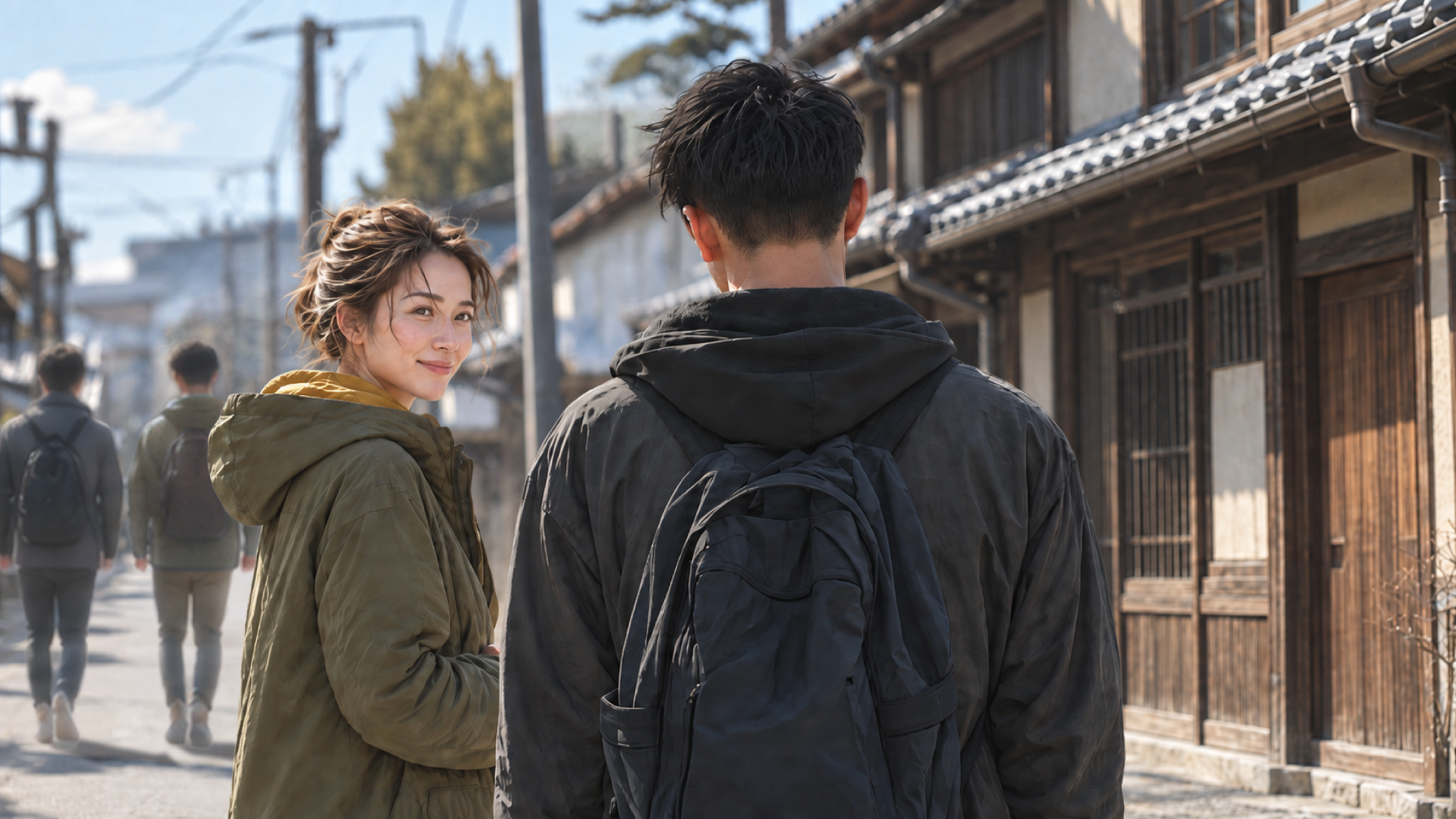
When they stepped outside,
daylight fell across the street.
There were sounds.
There were people.
And yet, as in the morning,
the world seemed to hold itself one step back.
Inside his pocket,
the small bottle brushed against his finger.
He did not take it out.
For now, it felt unnecessary to touch it.
Lorena walked a few steps ahead, then turned back.
“See you tonight. Don’t push yourself.”
She waved once and left.
Gabi began to walk again.
He had not decided where to go.
Still, his pace was different from before.

Into the noon of Kyoto—
without making a sound.